
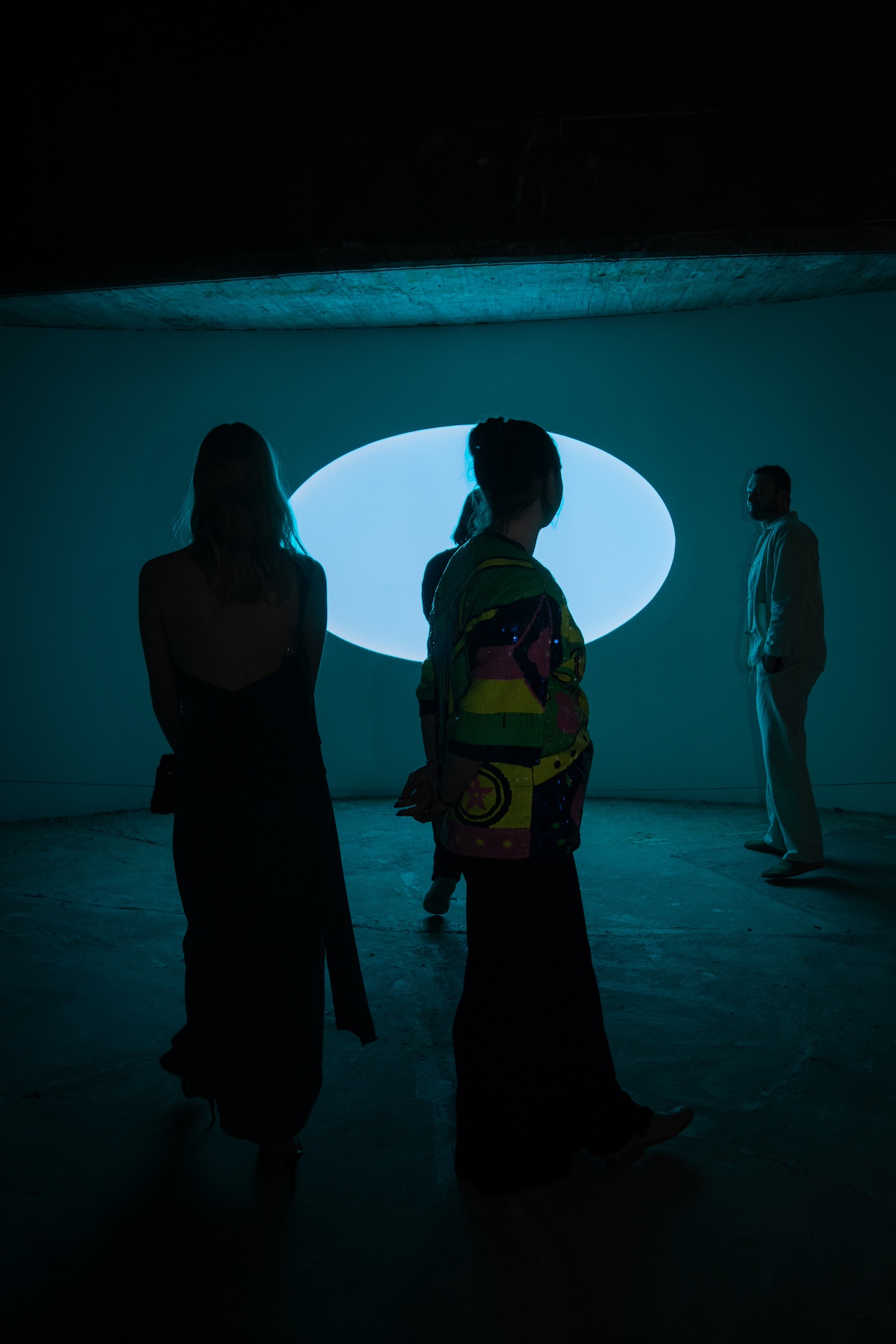
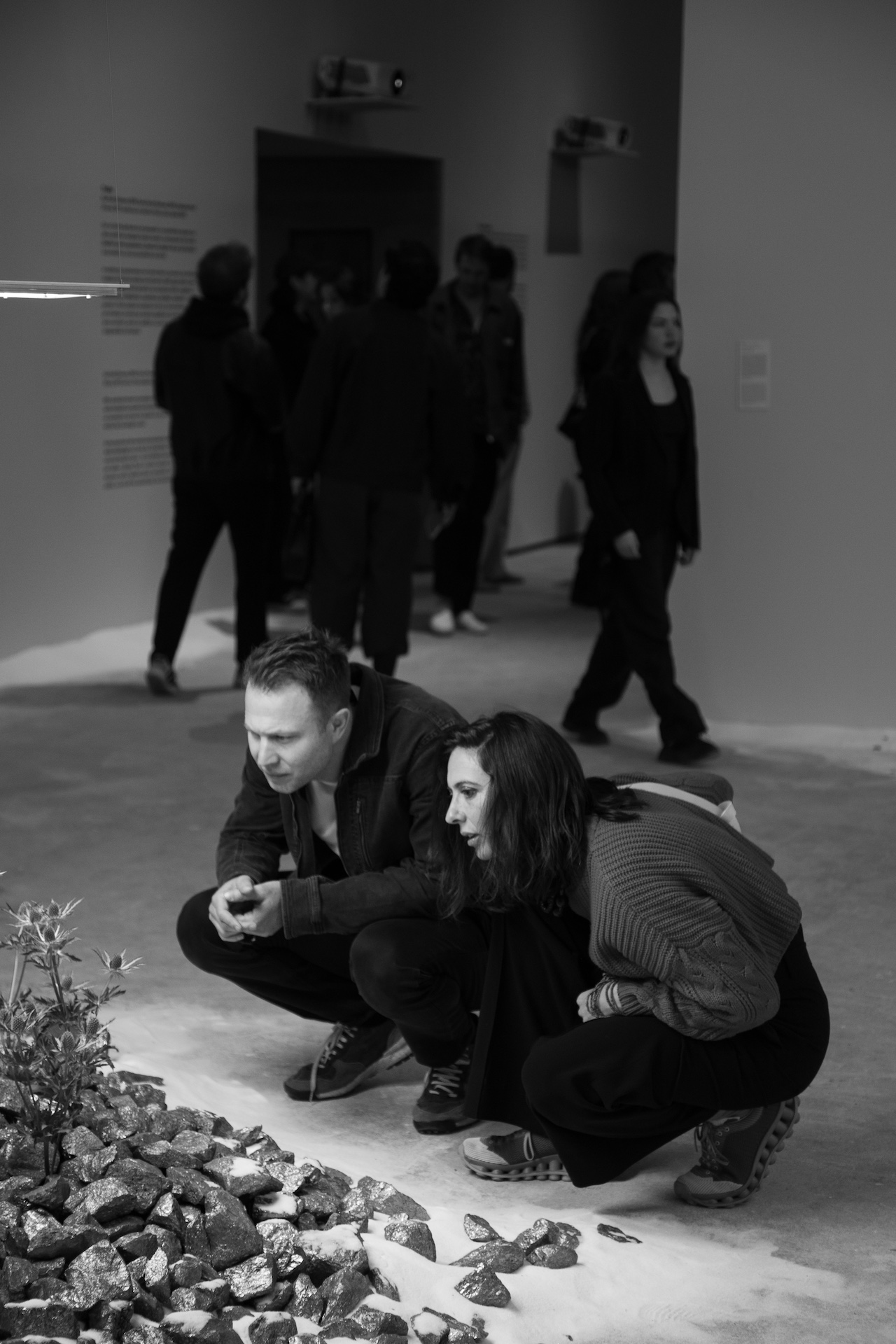
In a world shaped by speed and immediacy, Slow Art Day proposes a simple yet powerful gesture: to stand before an artwork, dedicate time to it, and allow it to speak to us.
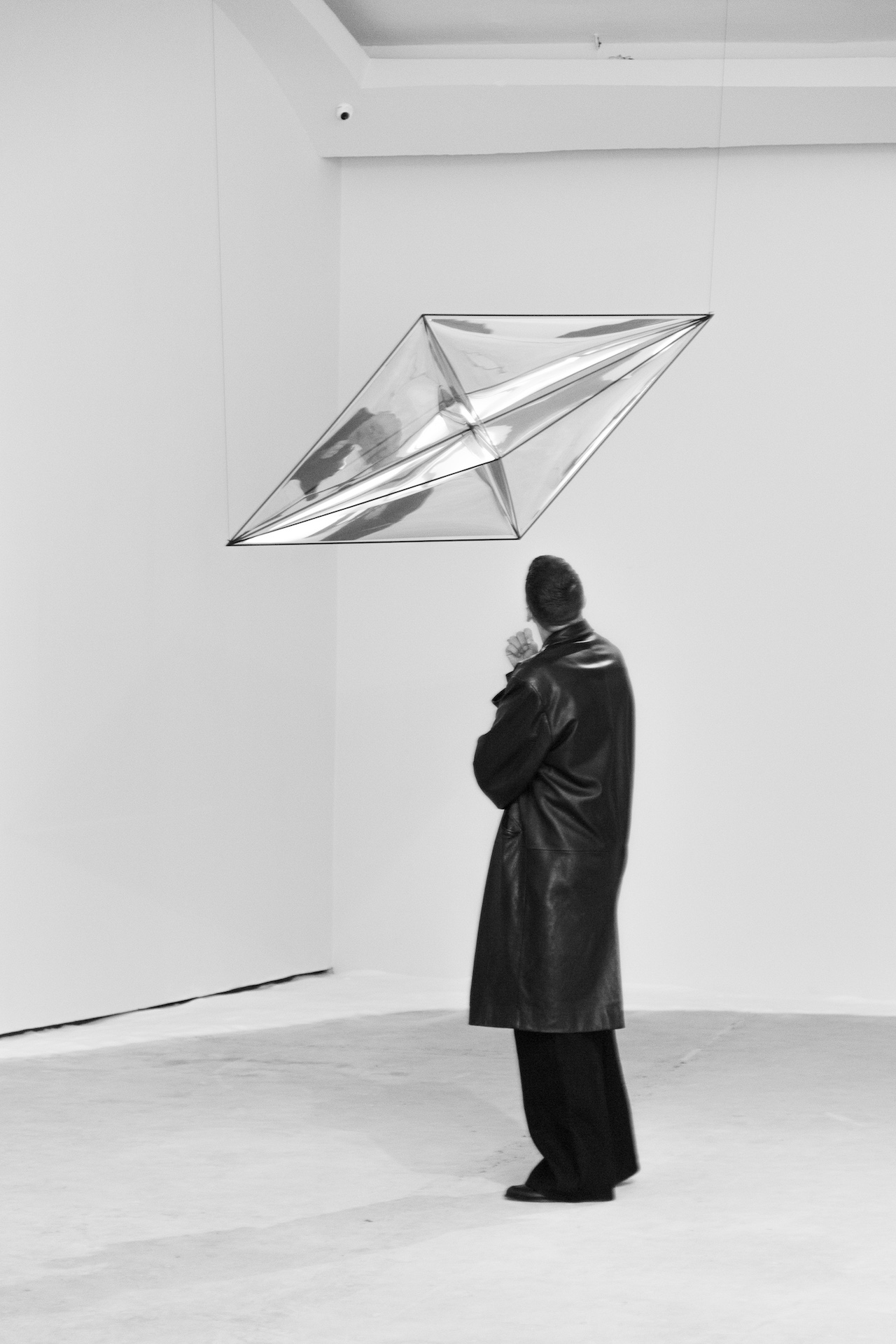
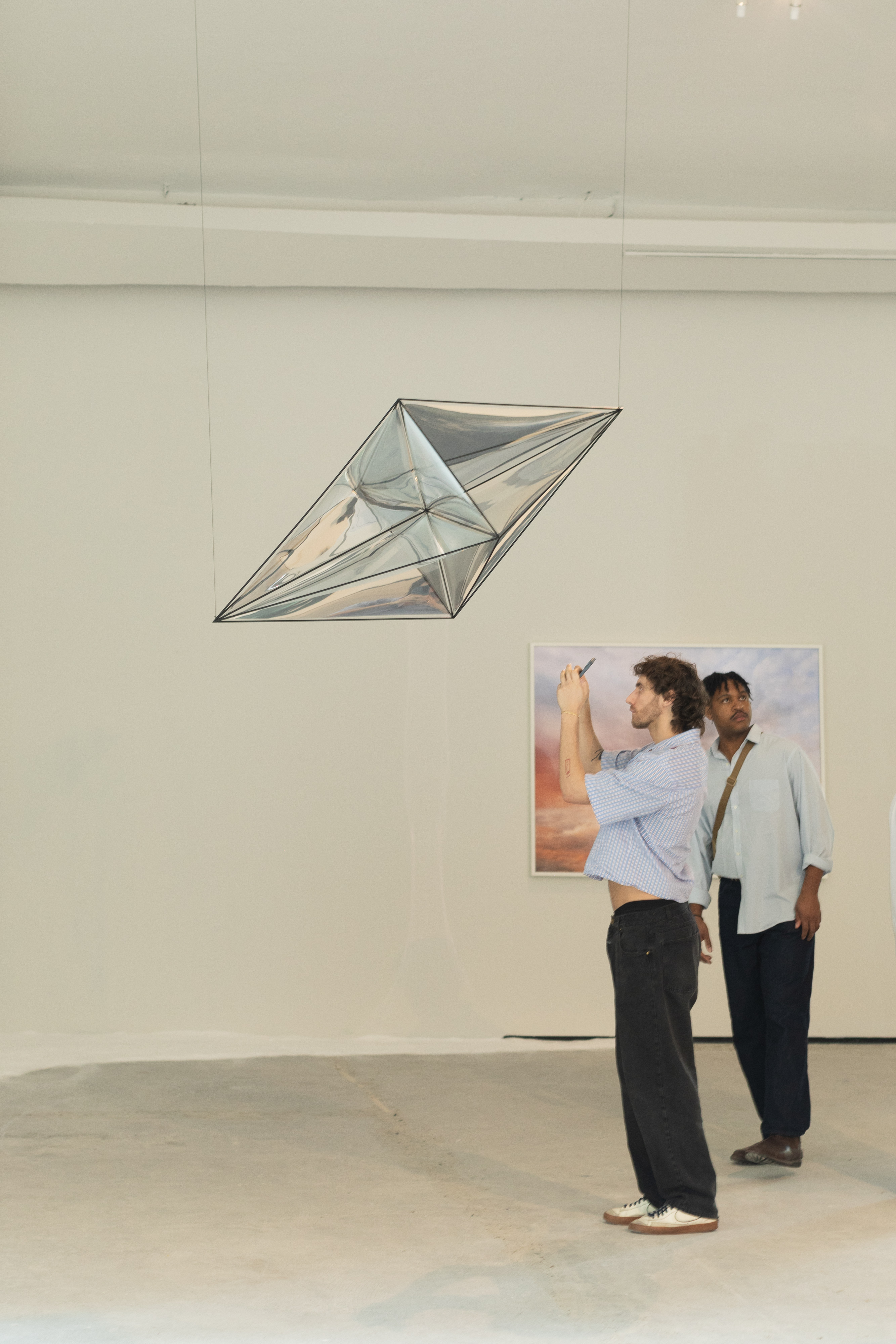
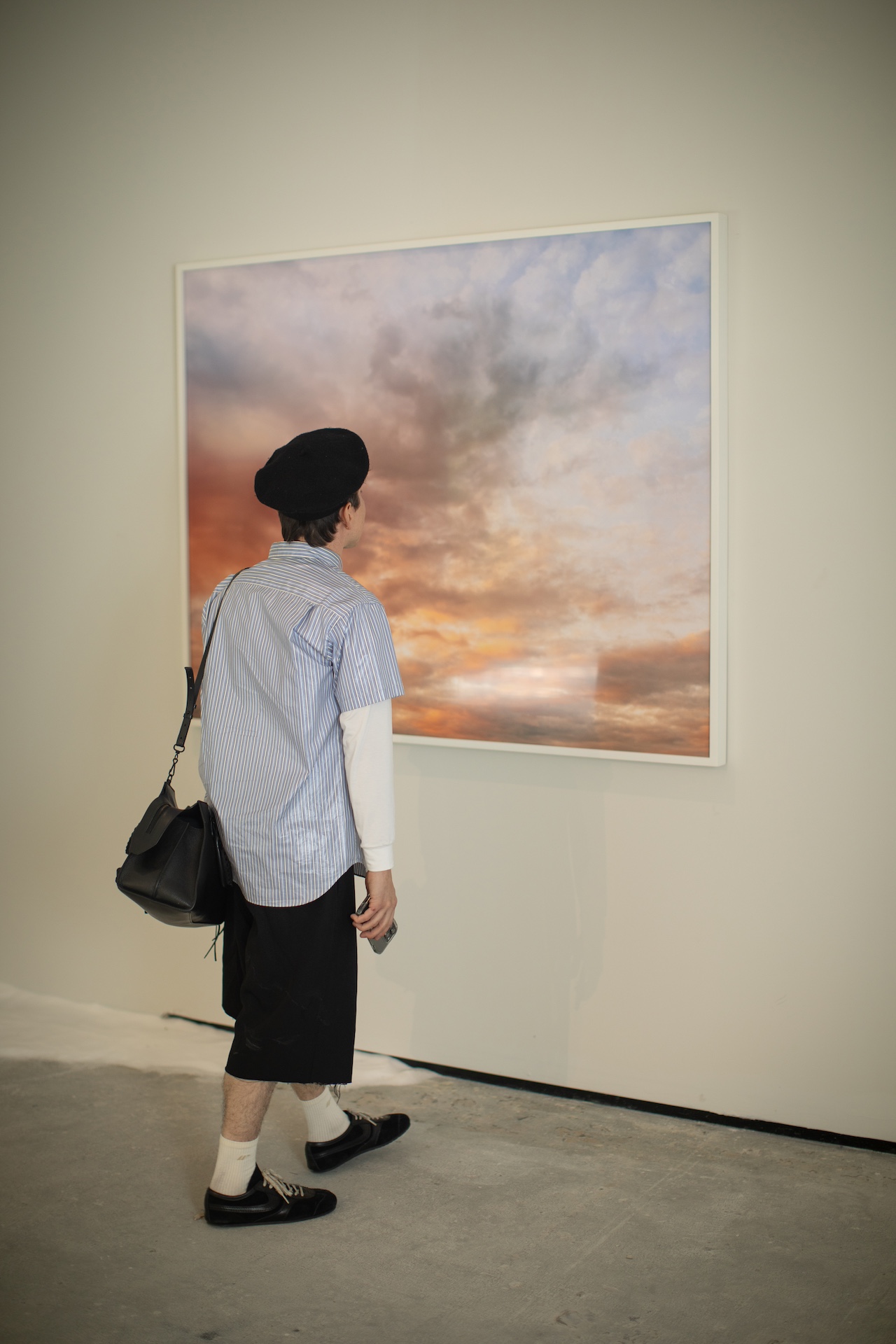
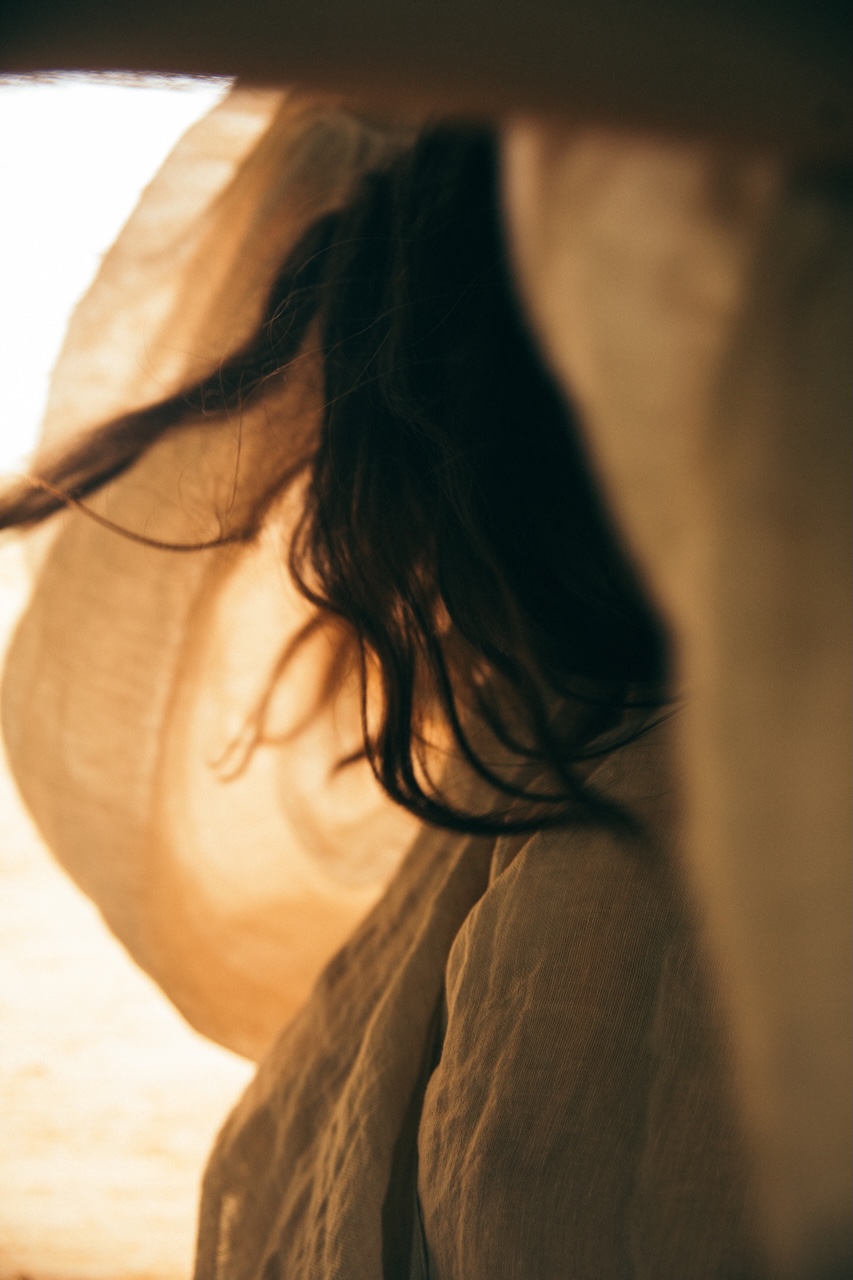
A somatic movement and expressive arts experience led by Ornella Firenza, inviting participants to reconnect with their bodies, creativity, and presence.
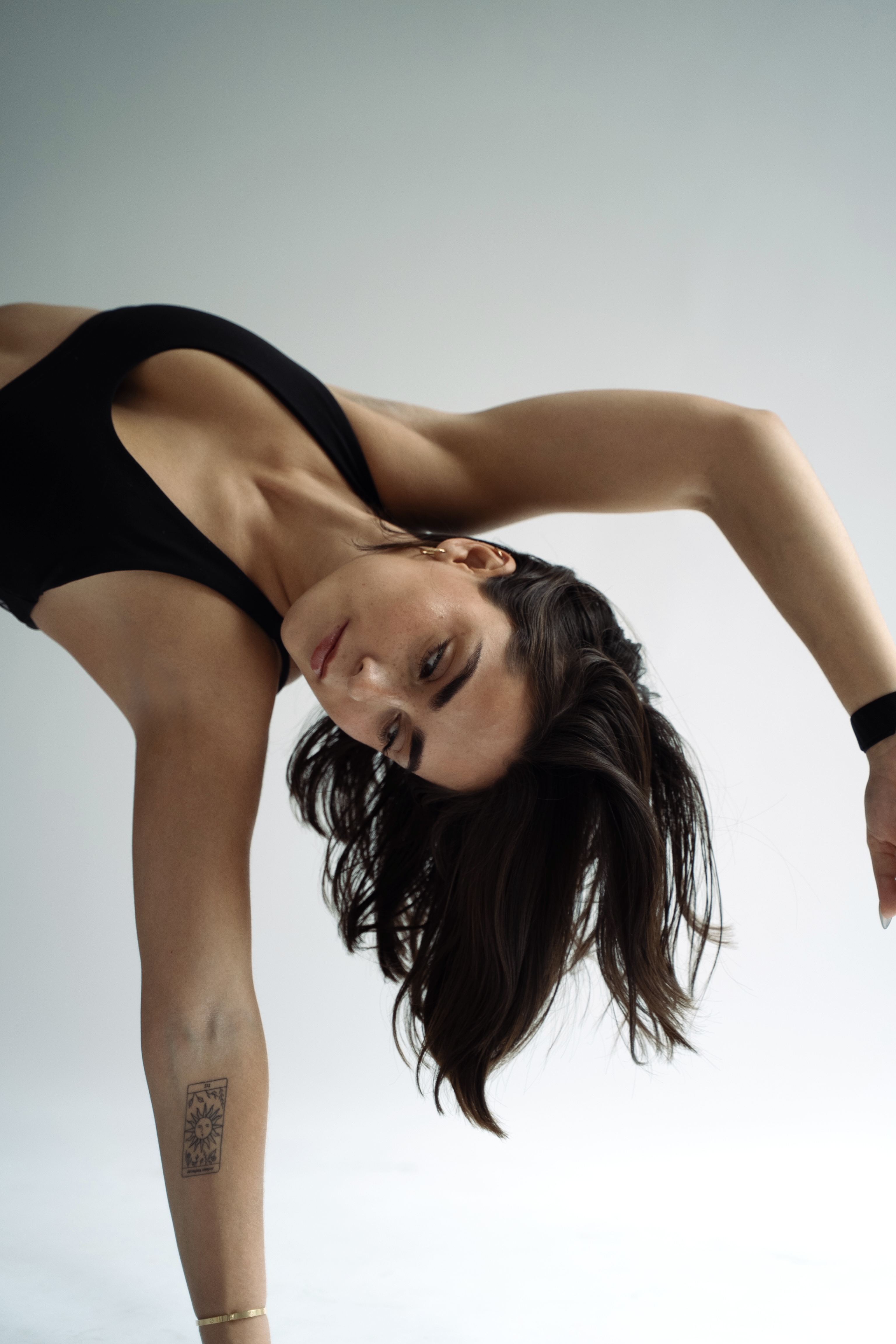
A 50-minute strength and functional bodyweight training session led by Danna Álvarez and Steph Guerrero, co-founders of THE OM METHOD, focused on building stability, endurance, and movement control.
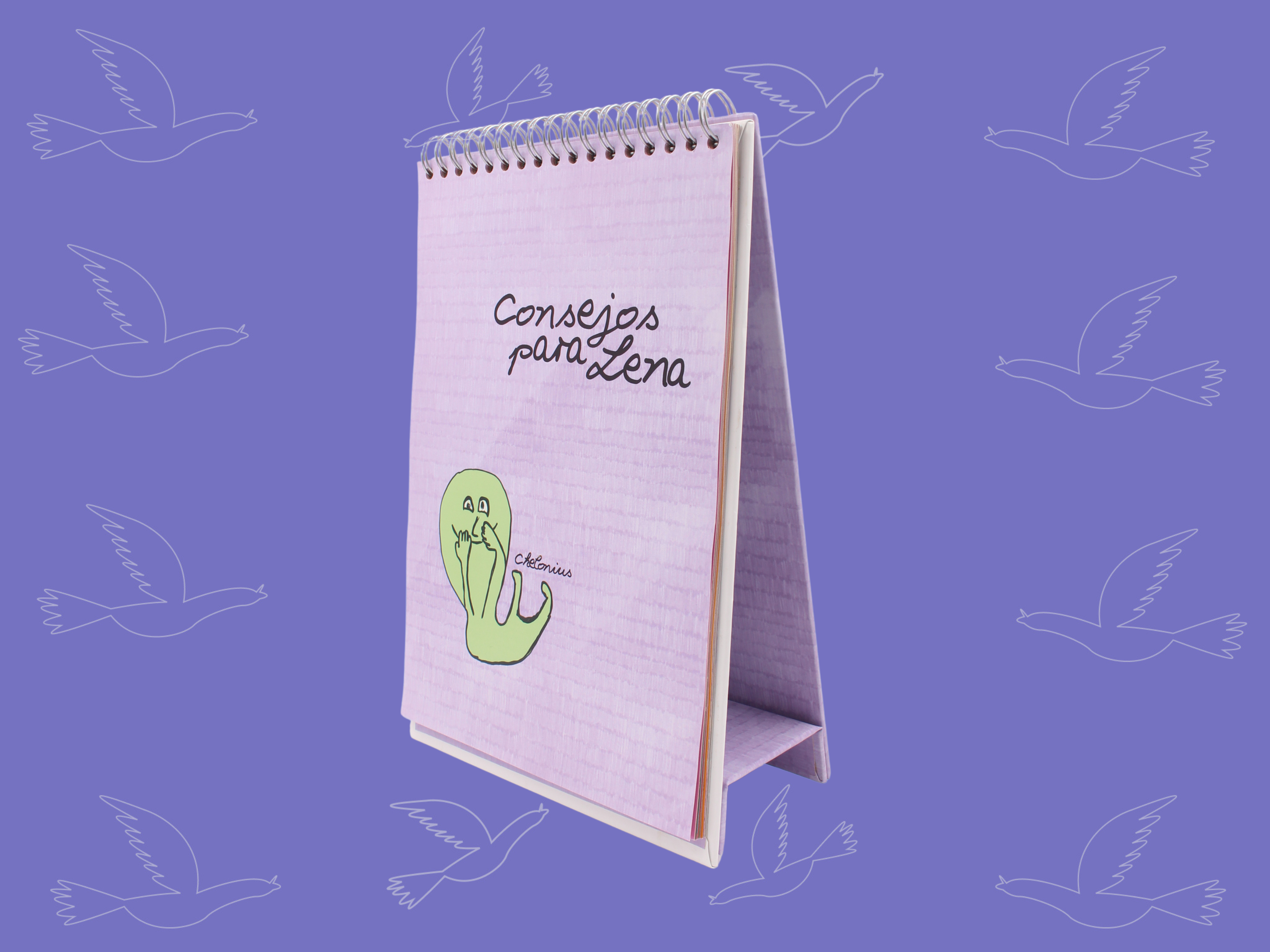
Chelito, illustrator and author of Advice for Lena, is a father and creator of imaginary beings that spark joy and inspire children's imagination.
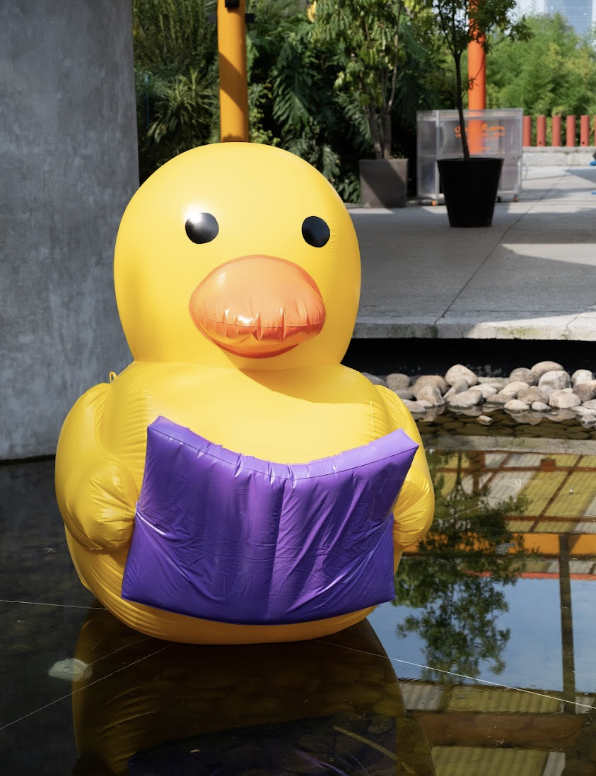
Por segundo año consecutivo nos preparamos para Hardcore Art Book Fair, una feria internacional dedicada a las publicaciones independientes. Un punto de encuentro global entre editoriales y creativos.

